Field measurements of forest canopy structure can be grouped in two methods: those based on direct (or contact) approaches, and those based on indirect approaches.
Direct methods are undoubtedly the most precise ones, but they require a destructive approach. Direct methods typically involve the sampling of all leaves, whose leaf mass is determined after drying them in fan-forced ovens. LAI is calculated by multiplying the leaf dry mass for the leaf area: mass ratio (the so called Specific Leaf Area; SLA). The area of the leaves is often measured with a leaf area meter, although I described a method to calculate leaf area from digital (canopy) photography here.
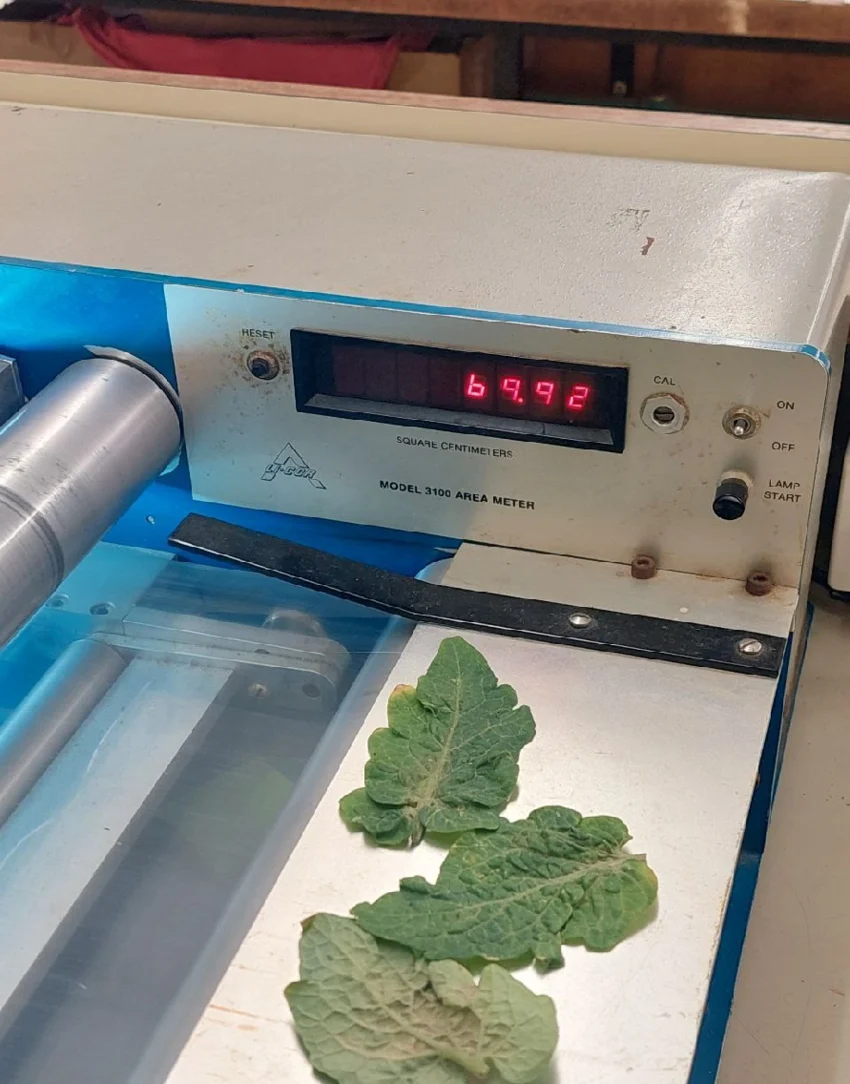
The collection of leaves in direct methods can be performed in two ways:
i) tree harvesting - this method usually involve the development of tree allometry relating leaf area to structure attributes
ii) litter-fall collection - in deciduous species, leaves can be collected during fall season in litter-traps or bags.
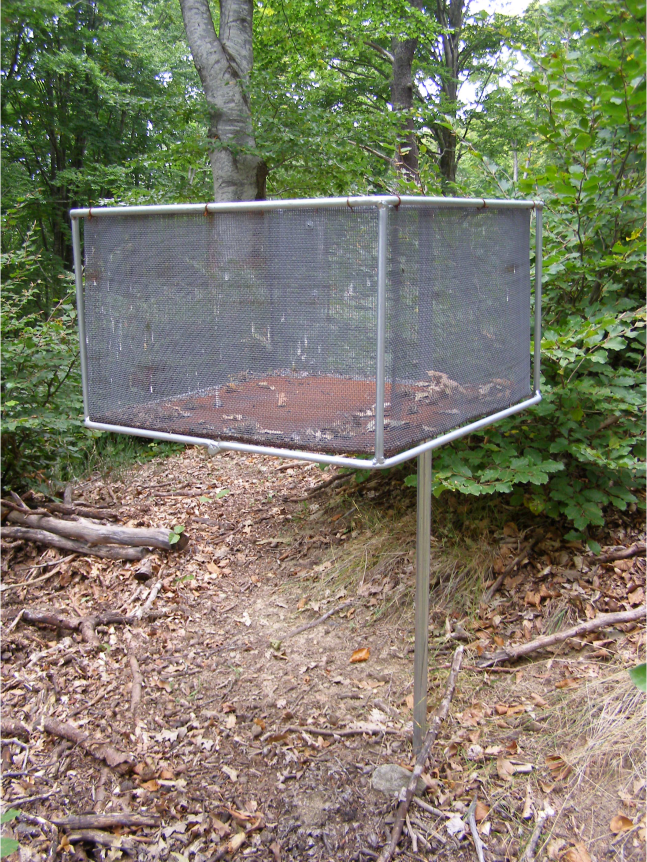
Beside the procedure considered, direct methods are cost- and time-consuming, which inherently prevent their widespread usage at spatially-extensive scales. However, these methods are important to benchmark indirect methods.
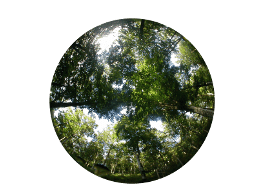
Indirect methods are based on a probabilistic approach to infer LAI from measurements or estimates of radiation transmission (or gap fraction) through the canopy. These methods involve field instruments which can be classified in radiation-based instruments (which measure the light above and below the canopy), and gap-fraction based instruments (which include canopy photography). In addition, these instruments can be classified in hemispherical view instruments and single (or restricted) view instruments.
I prepared a brief lesson on field methods to estimate LAI, which can be freely downloaded here