Spatial and temporal variation in vegetation phenology is key for understanding the interaction between plants and atmosphere, and their adaptation to rapid climatic changes.
Long-term field camera phenological monitoring systems like Phenocam have been developed in the last two decades for daily monitoring vegetation phenology based on continuous daily automatic acquisition of digital images (Richardson et al. 2018) acquired from above-canopy (typically from a flux tower) and oriented inclined or downward.
Despite the relevance of the existing field networks, there are still some limitations for a large scale implementation of continuous cameras in forest ecosystems. First, an above-canopy system requires installing the camera from above the canopy, which is complicated in case of tall trees. In addition, continuous monitoring requires further outdoor equipment, such as power supply, data-loggers for repeat image acquisition, and a communication protocol for image transmission. All these requirements are often limiting in natural forest conditions, where lack of power supply, low transmission rate, and poor signal coverage under dense forest cover can led to network failure.
Digital game/hunting cameras (also called camera-traps; CT) have been widely used in wildlife and animal movement ecology for game monitoring and surveillance. CTs are low-cost digital cameras, which are designed for extended and unsupervised use outdoors, and feature a passive infrared (PIR) sensor to detect moving animals and automatically triggering the camera. Many of these CTs also have time-lapse feature, which allow for repeated automatic image acquisition.
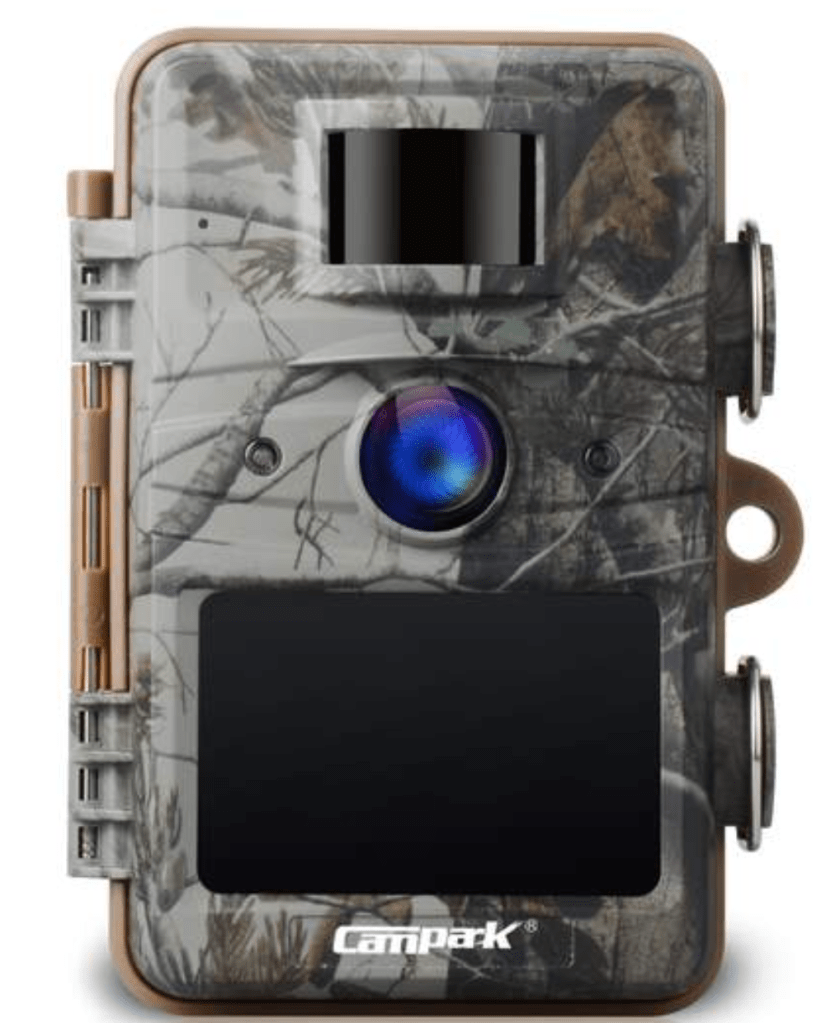
In a recent study I installed a camera trap for one year in a deciduous Turkey oak (Quercus cerris) stand and set the camera to acquired daily images close to sunset (Chianucci et al. 2021). Daily time series of canopy structure attributes were derived from the collected images using simple and automated procedures, which are then used to infer key phenological transition stages.
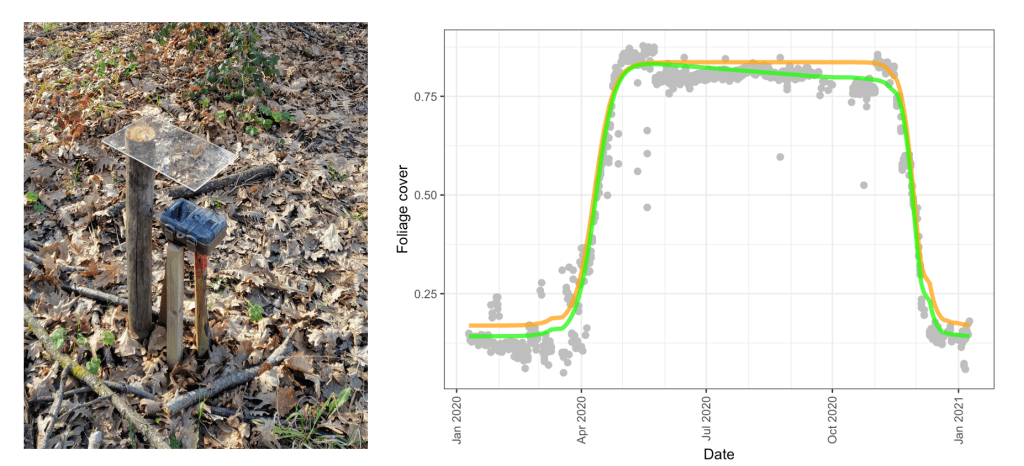
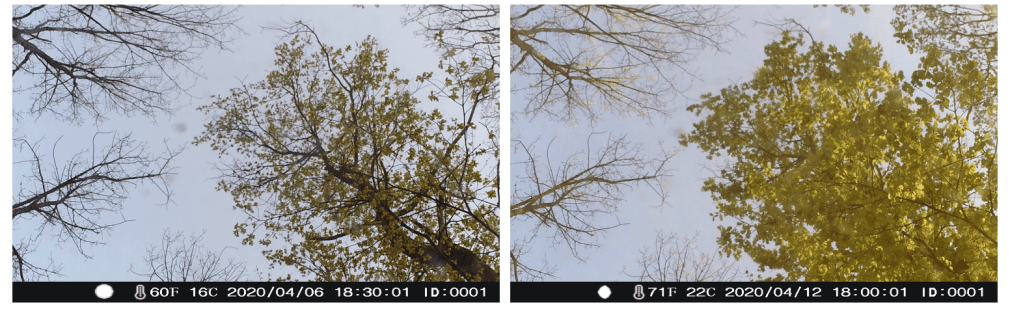
Following the result of the study, I decided to establish a long-term field phenological monitoring network based con camera-traps (CrowNet). The CrowNet is a collaborative initiative based on a ‘fifty-fifty’ contributing strategy:
Researchers interested in joining the network need to supply their continuous canopy images collected from trail camera(s); this means that they act as Data provider, and therefore they oversee the provision, installation, periodic maintenance of the camera, and the downloading and transmission of the images at a solar year frequency.
The submitted images are then analysed by the network lab, to produce the annual phenological canopy series and the extraction of key phenological events, and the data are then made available among the network participants.
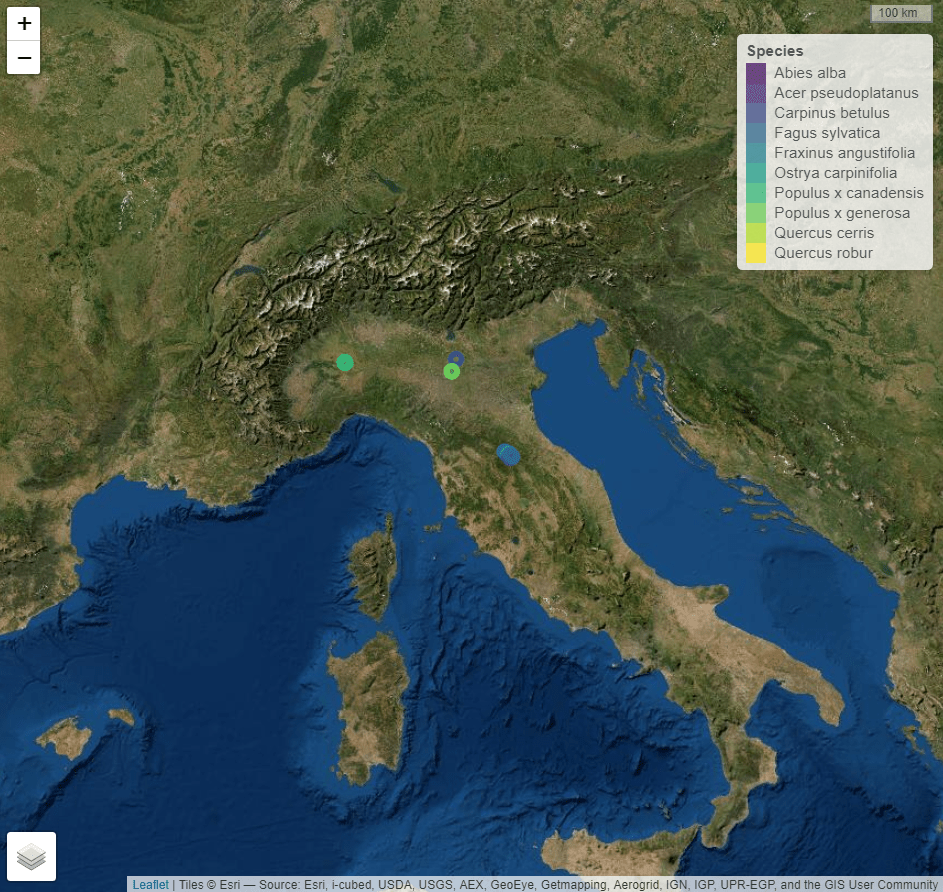
The network has just started, and first collaborative data will be acquired from November 2021, so I hope to have first results after one year of observation.
If you are interested in joining CrowNet, Contact me!
More info at the CrowNet page