Continuous monitoring of tree canopy structure and its seasonal development is central for a wide range of studies, including phenology, carbon and nutrient cycling, and global change. While satellite remote sensing provides repeated information for spatially-extensive applications, in situ repeat photography allows finer spatial and temporal scales, being suitable for continuous field monitoring at tree to stand scale.
Above-canopy phenological monitoring systems like Phenocams have been widely used for long-term monitoring (Sonnentag et al. 2012). In recent times, studies pointed out that standard below-canopy digital repeat cameras, including camera traps and security webcams, can provide a cheaper, simpler and more flexible solution for short term monitoring (Chianucci, Bajocco, and Ferrara 2021; Chianucci et al. 2025).
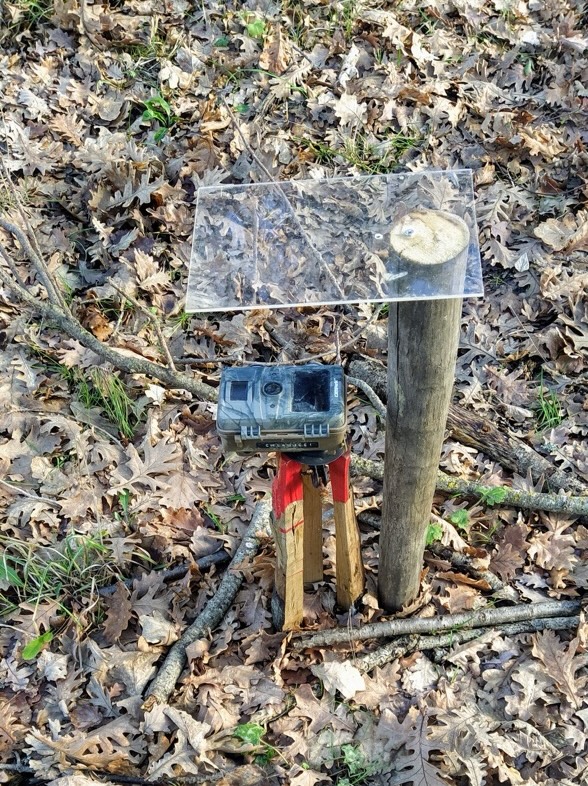
An example is the CrowNet system, which is based on repeat daily automated monitoring using time-lapse camera traps (Chianucci et al. 2025).
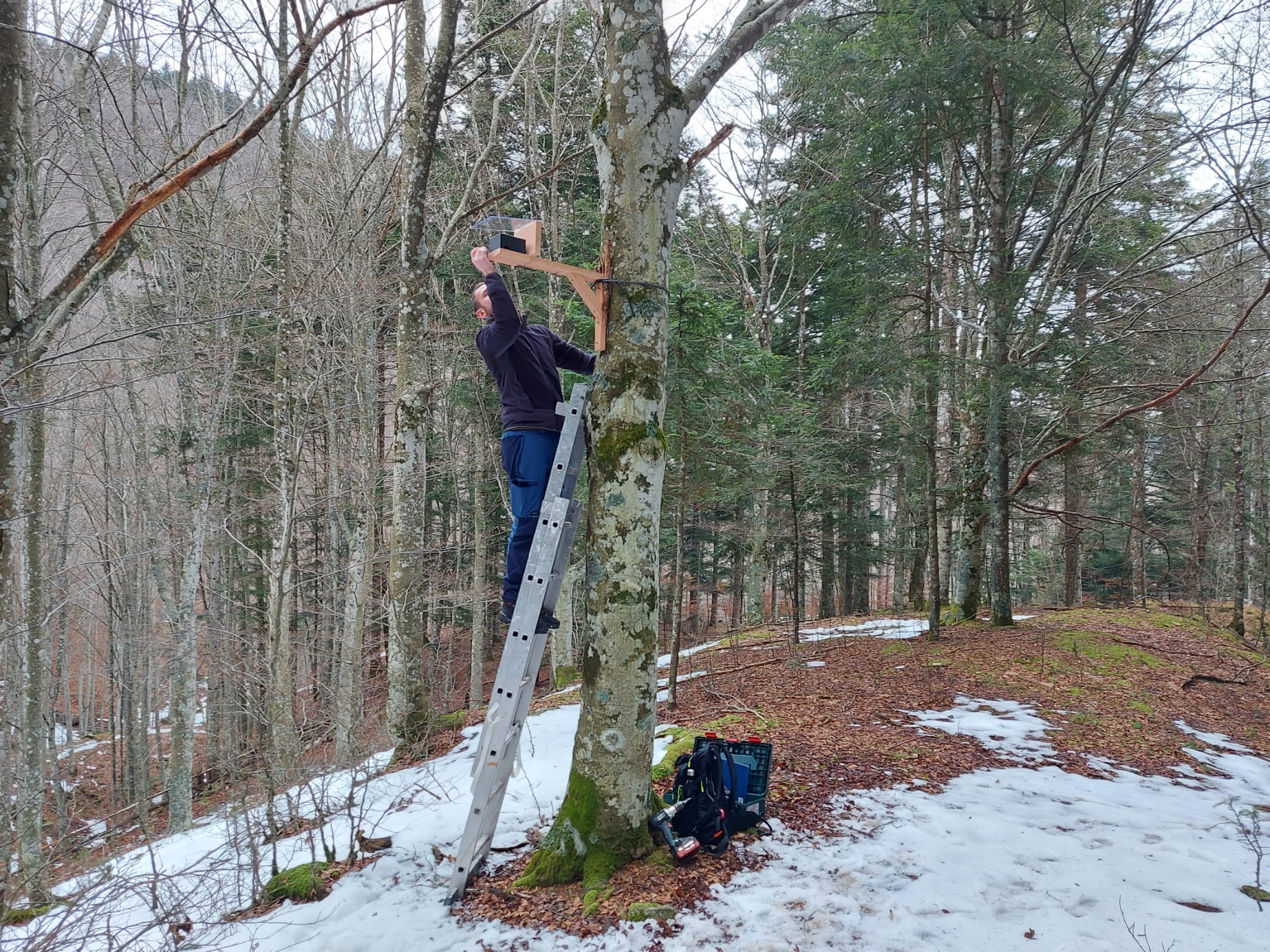
However, the main limitations of CrowNet and similar below-canopy camera systems are the need to improve the weatherproofing camera system, the automation in screening procedure, and the implementation of a online transmission protocol for remotely-check data acquisition and storage, while allowing remote processing of the images.
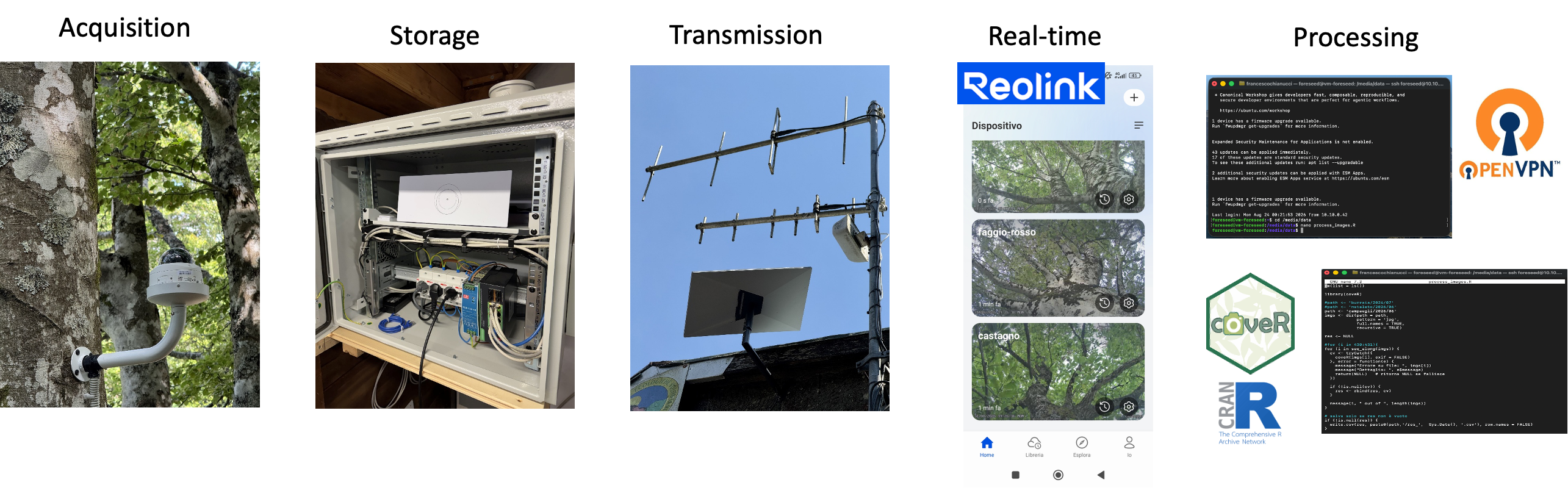
We are introducing an improved monitoring system (CrowNet 2.0), which is based on an upward-looking webcam system for continuous digital tree canopy image acquisition.
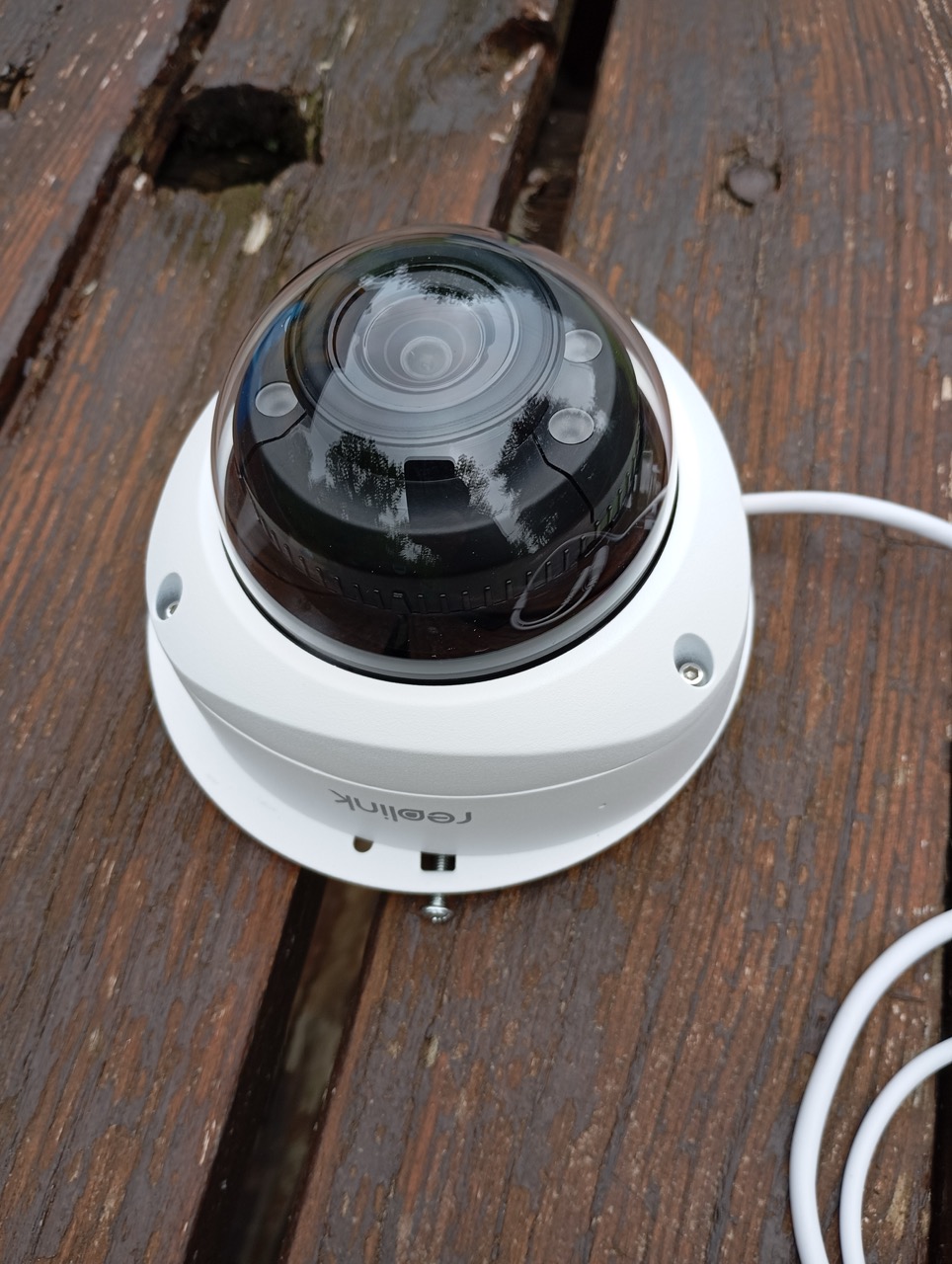
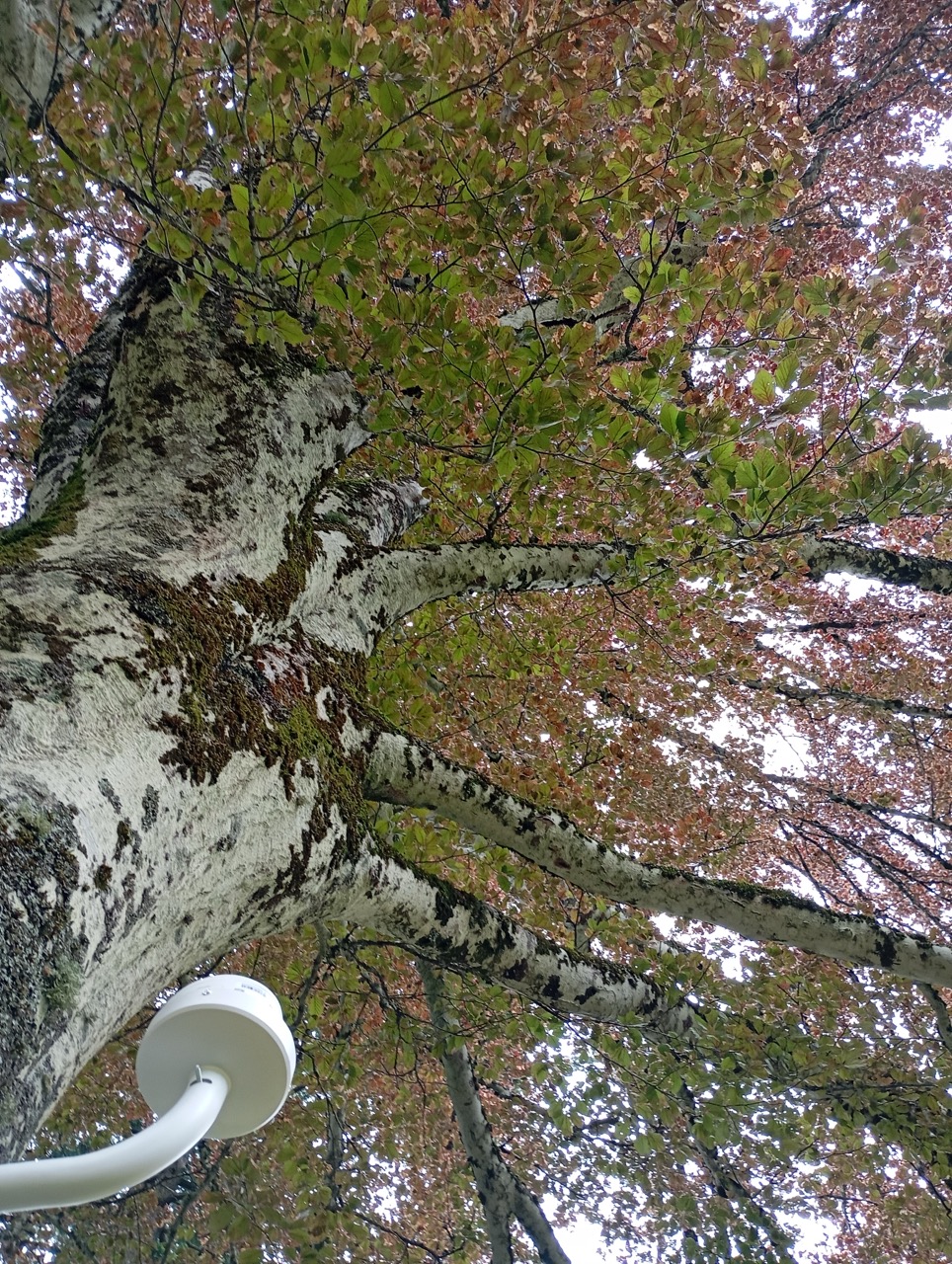
The key-mprovement in the CrowNet 2.0 system can be summarised as:
Weatherproofing: the webcam is protected by a spherical dome which isolates the camera sensor from weather while allowing raindrop and leaf litter flowing
Power supply: the webcams are continuous supplied by PoE Ethernet Cable
Acquisition, storage and transmission: Images are stored both locally and remotely using an internet transmission protocol
Check: The system is checked in real-time using a smartphone APP & message alert routines
Processing: Image processing and transfer is performed using VPN and batch R routines
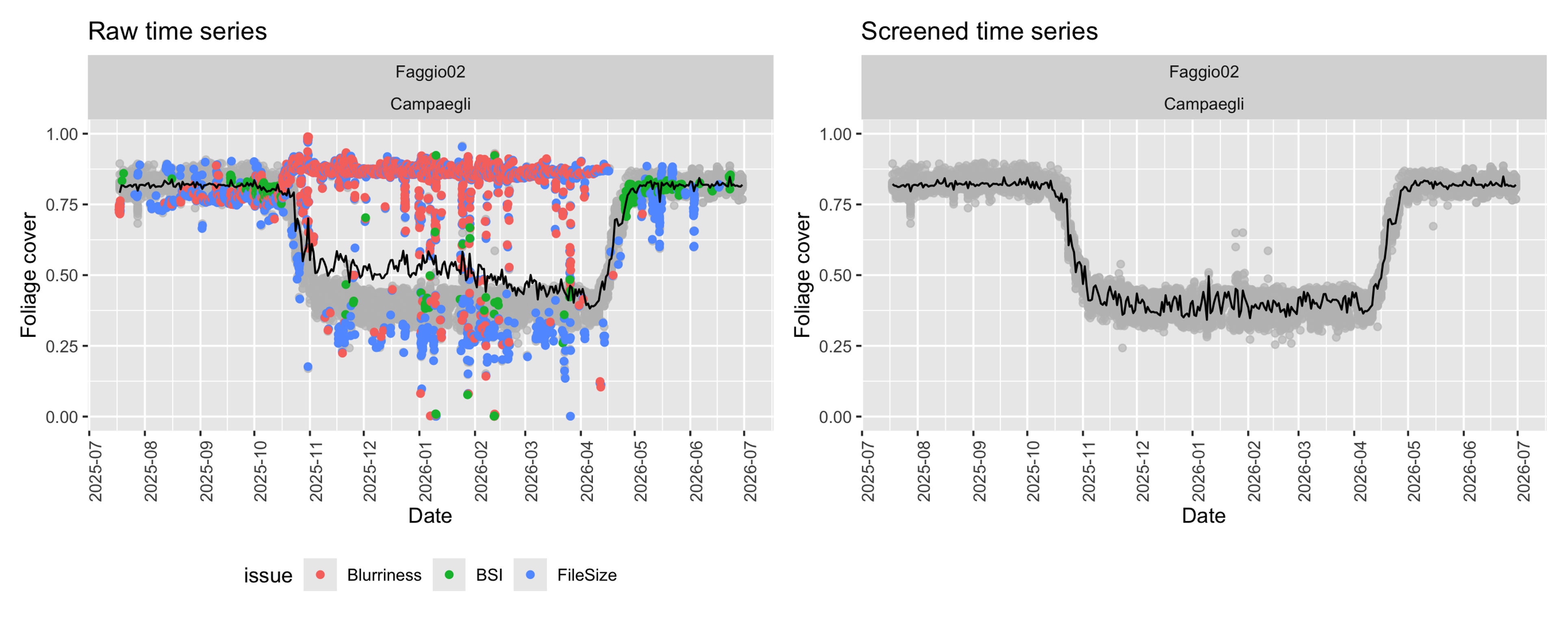
Sub-daily canopy image were then quality-checked using automated screening filters, which isolated most of the variability due to adverse weather, uneven sky conditions and sun-glares.
The CrowNet 2.0 system has been presented in the Italian National Congress of Silviculture and Forest Ecology in Sep 2026, and we plan to publish soon an article describing all the methodology.
Chianucci et al.CrowNet 2.0: towards more automated acquisition, storage, transmissition and screening of continuous digital tree canopy images. URL: https://congressi.sisef.org/xv-congresso/materials/2026_09_19_xv_congresso_sisef_abstract_book_posters.pdf